Stanley Park’s History: A Green Jewel in an Urban Setting
How Vancouver’s Iconic Park Came to Define the City Around It
The Birth of a City Landmark
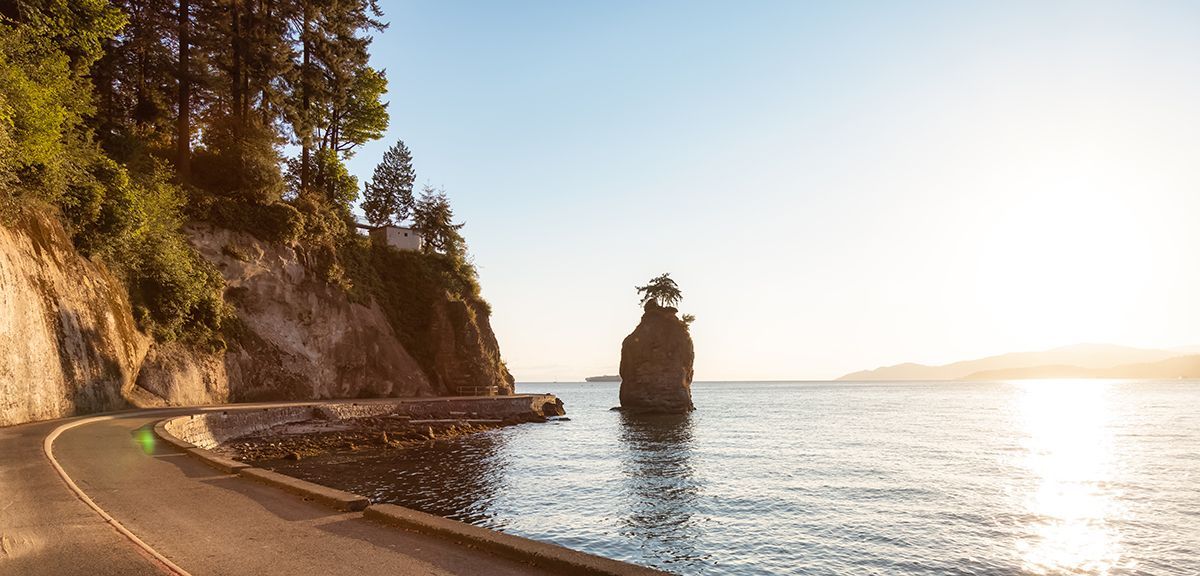
Stanley Park has been Vancouver’s favourite urban playground for as long as the city itself has been in existence. When members of city council convened for their second meeting on May 12, 1886, just five weeks after the city was incorporated, high on the agenda was the matter of a civic park. Council drafted a petition asking the government of Canada to hand over the 1,000-acre military reserve located on the peninsula of land jutting into Burrard Inlet at the “First Narrows”. The federal government complied, and in October 1888, Governor General Lord Stanley came to town to dedicate the park. In the rest of the country, Stanley is best known for donating the silverware that became the National Hockey League’s championship trophy. Here in Vancouver, he is known for the park that bears his name.
Early Decisions That Shaped the Park
The city’s founders prided themselves on their farsightedness. Urban parks were, and still are, considered the hallmark of a progressive community. But more than community spirit motivated these pioneer politicians, who were mainly merchants and land speculators. By forestalling the possibility that the military reserve might ever be sold off as real estate, they were protecting the value of their own property investments elsewhere in the city.
Before Stanley Park Became a Park
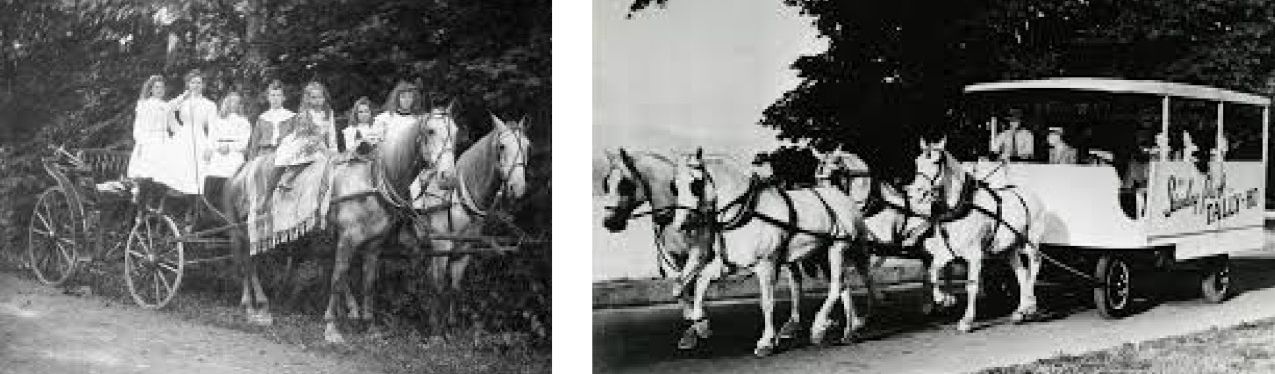
Stanley Park, the jewel of Vancouver, is a popular oasis for locals and visitors alike. Horse-drawn carriages have always been a favourite way to explore the park’s thousand acres, see the sights, and learn the history. Horses have done many different jobs for humans right here in Vancouver’s Stanley Park. Horses were already a part of this area’s history some time before the park’s official opening in 1889. It may well be that the first horses in Stanley Park accompanied miners seeking gold in the late 1850s.
Early Workhorses of the Forest
Then, the park was designated a Government Military Reserve in 1859 in preparation for an expected American attack. Horses would have been used for related logging and building. Between the 1860s and the 1880s extensive private logging took place in Stanley Park. Some of the trails in the park were first cleared for logging. Oxen were used to remove the logs, but horses carried humans and supplies. Stanley Park is a wonderful place for horses to live and work.
Touring the Park Now
Discovering Stanley Park by horse-drawn tram (an open carriage, easily accessible from both sides, with rows of seats facing forward) is a unique and memorable experience. Sitting in the open air, protected from rain by the tram’s forest-green canopy and from cold by red plaid wool blankets, the visitor relaxes while learning about the historical and natural features of the area, listening to the clip-clop of the Gentle Giants’ hooves and inhaling the fresh scent of cedar and the sea.
Before the Park: Logging, Labour, and Horses
In the early 1980s, AAA Horse & Carriage, then a fledgling company, reintroduced horses to the park after a thirty-year absence. Through the fifties, sixties, and seventies, transportation around Stanley Park was limited to cars and buses. Gerry O’Neil, recently moved from Quebec City, where horse-drawn carriages are popular among both tourists and locals, and his wife, Kathryn, saw the need for an alternative.